
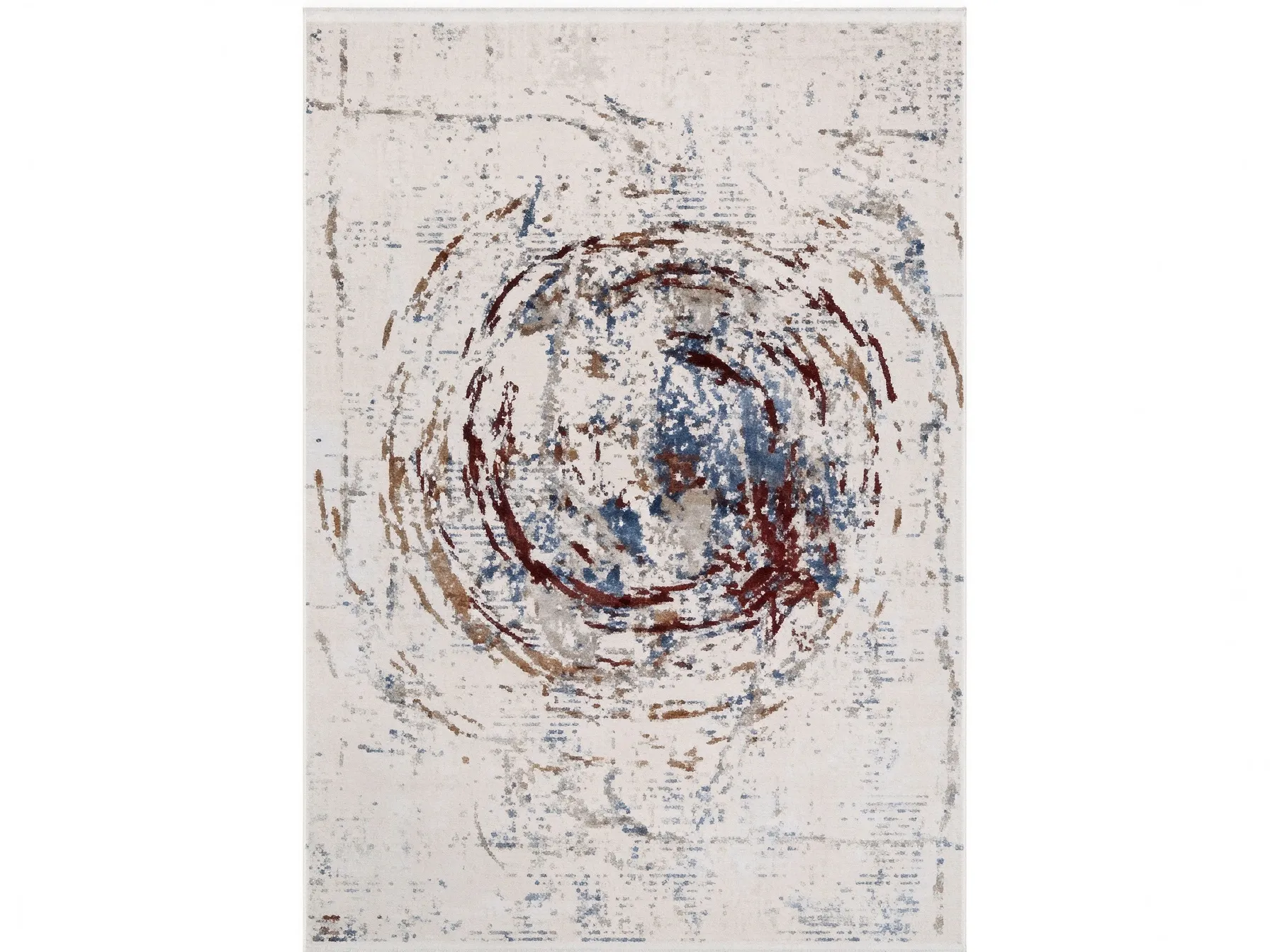
A luxury living room rug is one of the heaviest, bulkiest and least replaceable items in an interior order. It cannot be trimmed on site, re-stained to match a sample, or quickly re-ordered if it arrives creased, damp or shedding. Before a purchase order is signed, buyers should confirm how the Luxury Living Room Decorative Area Rugs will be rolled or folded, wrapped, protected at the corners, documented and loaded — because packaging decides whether the rug that reaches the room is the rug that was approved in the showroom.
Why Packaging Decides Whether a Rug Arrives Saleable
Rugs fail in transit for a small number of predictable reasons, and each one maps to a packaging decision:
- Crushing and creasing. A folded rug keeps a permanent fold line; pile crushed under a heavier carton will not spring back. That is why large area rugs are normally shipped rolled, tube-first, rather than folded.
- Moisture and container sweat. Sea freight moves through temperature swings, and condensation forms inside containers. A rug wrapped only in thin plastic can arrive with a musty smell or water marks that no cleaning reliably removes.
- Edge and corner damage. Selvedges and bound edges take the impact when rolls shift against each other. Corner protectors and a rigid outer layer are what keep the visible face intact.
- Shedding and surface abrasion. Abrasive contact with strapping, timber battens or another carton scuffs a soft high-density surface. The inner sleeve is there to stop that contact.
- Wrong-piece risk. Rugs in the same order often share a pattern family but differ in size. If the label carries only a style name, the wrong size can be unrolled in the wrong room and the error is discovered after installation.
For project buyers, this matters commercially as much as visually. Replacing a rug means a second production run, a second freight leg and a hole in the installation programme. Confirming packaging in writing before production is far cheaper than disputing damage after it.
The Packaging Points to Confirm Before Production
Ask the supplier to state each of these on the order confirmation, not only in a chat message:
| Point to confirm | What a clear answer looks like |
|---|---|
| Rolled or folded | The exact method per size. Large sizes should be rolled on a tube; note the tube diameter if it is specified. |
| Inner sleeve | Material of the first layer against the pile — plastic film, breathable poly, tissue or cotton — and whether the face is protected from abrasion. |
| Outer wrap | Whether the roll gets PVC or kraft wrapping, woven bag, corrugated carton or a wooden case, and how many layers. |
| Corner and edge protection | Cardboard or foam corner guards, end caps on the tube, and whether rolls are lashed so they cannot rotate in the container. |
| Moisture control | Desiccant bags, waterproof liner, and whether the wrap is sealed against container condensation. |
| Labelling | Style code, size, colourway, room or unit reference, piece number of total pieces, and gross weight on every parcel. |
| Packing list detail | One line per rug with the same codes as the labels, so receiving staff can tick off piece by piece. |
| Container loading | How rugs sit relative to cabinetry and stone — flat, on dunnage, never under rigid freight — and how the load is blocked and braced. |
If a supplier answers with "standard export packing" and nothing else, treat that as unanswered. Export packing for a rug is not one specification; it depends on size, weight, pile height and whether the same container also carries rigid goods.
Mixed Containers: The Most Common Cause of Rug Damage
Most project buyers do not ship rugs alone. They arrive in a consolidated container together with turnkey villa and hospitality furnishing — cabinetry, wardrobes, stone panels, lighting cartons and bathroom crates. That is where packaging assumptions break down:
- Rigid items with edges or metal profiles must not bear down on a rolled rug; the load plan should place rugs on top of stable, flat goods.
- Lighting and mirror cartons are usually packed to their own protection needs and cannot share strapping points with a soft roll.
- Stone and tile parcels shift under their own weight, so they need blocking and bracing that keeps them clear of textile freight.
- A single heavy strap across a rolled rug flattens the pile along a line that will not recover. Strapping should go through the rigid core, not across the face.
Ask for the loading plan or at least the stowage note before the container is stuffed. It also tells you whether the rugs are being unloaded first or last — unloading a soft roll after heavy crates have been dragged past it is another way to damage an otherwise perfect edge.
Sample, Custom Size and Pattern Approval Packaging
Custom orders add two more packaging questions. First, the approval sample: buyers specifying a made-to-size rug or a chosen pattern should confirm that the sample ships in a way that shows the true hand of the pile, not a vacuum-compressed piece that looks different once it opens. A sample that arrives hard-folded is a poor basis for approving texture.
Second, oversized pieces. When an order includes a large-format rug for a villa living room or lobby, confirm whether it ships as one roll or is split into sections, and if split, how the sections are marked so they are reassembled in the right orientation. Splitting a rug to fit a container is legitimate — poor marking of the halves is not.
Receiving Checklist at Site
Packaging terms are only useful if someone checks them on arrival. Give the site team a short, written routine:
- Photograph every parcel before cutting strapping or removing wrap, including any dent, tear or wet patch on the outside.
- Match each label to the packing list: style code, size, colourway and piece number.
- Check that a roll arrived rolled — a flattened or folded outer layer is an early warning of a crease inside.
- Smell before installing; trapped moisture in a sealed wrap shows up as a musty odour.
- Unroll, let the pile settle, and inspect edges and corners against the approved sample before signing off.
- Record any exception on the delivery note the same day, with photos attached.
How Packaging Is Agreed Within One Project Order
SANTERSON is a China-based furniture and building materials manufacturer supplying project orders that combine rugs with cabinetry, lighting, bathroom fixtures and interior finishes. Because the rug travels with everything else, packaging is agreed as part of the order rather than left to the freight team: packing and container loading are named services alongside logistics and door-to-door delivery, so the same coordination that plans the cabinetry also plans how textile freight sits in the container.
Buyers specifying rugs for a project can request them as made-to-size pieces with confirmed pattern and colour, and should use that specification conversation to lock in packing detail in writing: rolled or folded per size, sleeve and outer wrap, corner guards, desiccant, label codes and the stowage note. Rugs in the catalogue range — including the abstract-texture and shiny-silk options listed under carpets and rugs — are offered in multiple sizes, so the packing list should carry the size for every single piece.
Where This Fits in a Wider Fit-out Order
Rug packaging is worth confirming with the same rigour as the rest of a fit-out, because the same container and the same receiving team handle all of it. Buyers consolidating several categories through a one-stop furniture and building materials supplier should expect one packing list covering every trade, with each category's protection method stated next to its line item — rugs rolled and wrapped, stone blocked and braced, lighting crated, cabinetry panelled. When that list is written at order confirmation rather than after production, receiving becomes a checklist instead of an argument.
For enquiries about a specific rug specification and its packing method, contact the SANTERSON project team through the contact page.
Questions Buyers Ask About Rug Packaging
Should a large area rug ever be folded?
Not for a finished pile rug. Folding puts a permanent line through the backing and pile. Large rugs travel rolled on a tube; if an oversized piece has to be split, ask how the sections are marked and rejoined.
What is the single most useful thing to see before shipment?
A packing photo of the finished, wrapped roll with its label visible. It shows the wrap layers, the corner protection and the label data in one image, and it becomes your reference if damage is claimed later.
Is a wooden case always better than plastic wrapping?
Not always. A case adds protection for high-value or awkward pieces but also weight and cost, and it can hide a wet pack from inspection. The right answer depends on size, value and what shares the container.
What if the outer wrap is intact but the rug smells damp?
Do not install it. Unroll in a ventilated, dry space, record the condition with photos, and notify the supplier before the room is finished — odour trapped in a backing rarely disappears once the rug is laid over flooring.