
A sculptural pendant is one of the fastest ways to give a dining room or a hotel lobby a finished, designed look. It is also one of the easiest items to get wrong, because the piece that looks right in a catalogue photo can arrive at the wrong scale, with the wrong suspension length, under the wrong ceiling. Before your Modern Pinecone Petal Pendant Light, Multi-Layer Metal Chandelier for Dining Room & Hotel Lobby goes into production, there are ten points worth putting in writing.
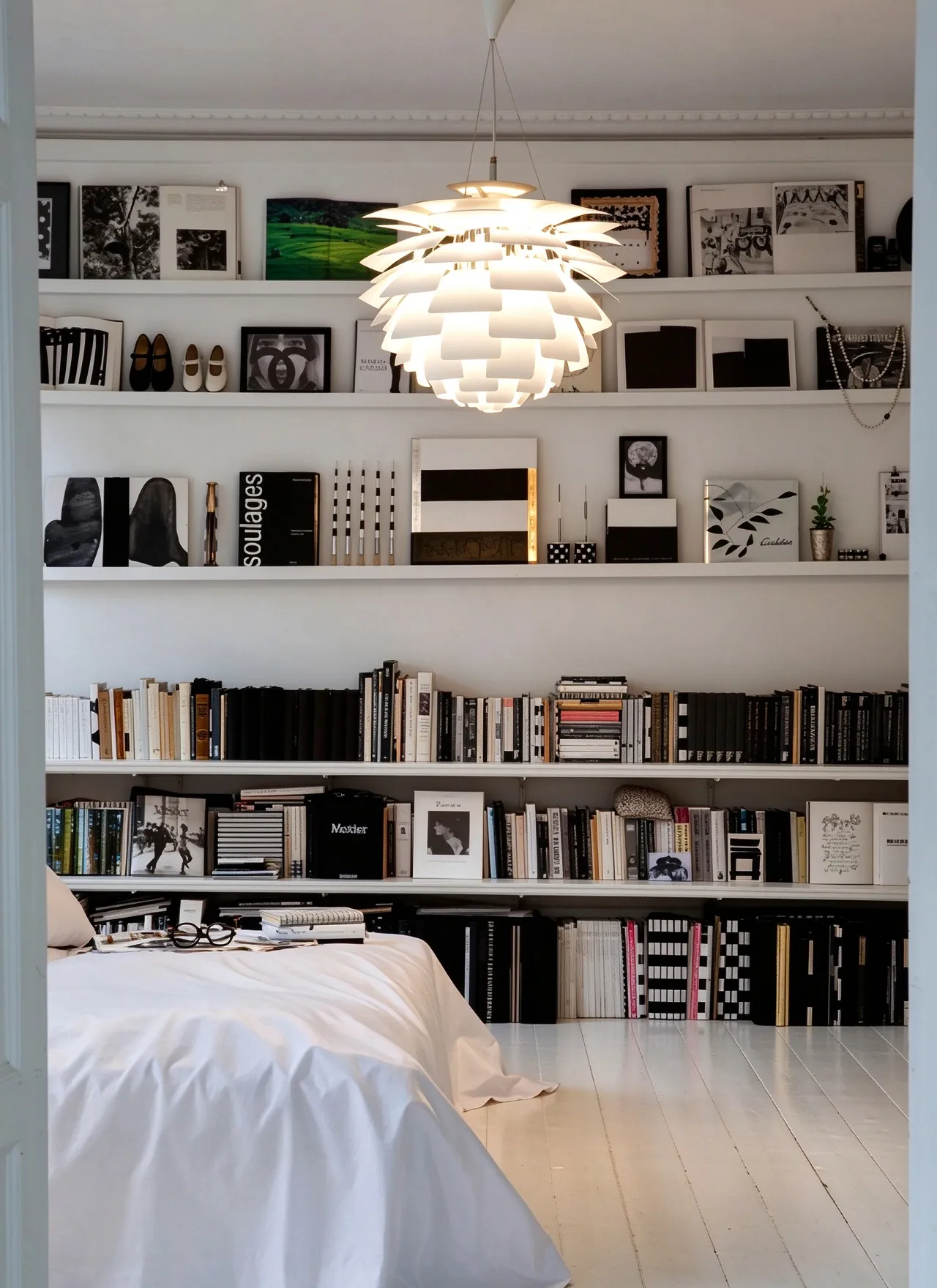
Layered petal geometry and a polished metal body: the details that need confirming before production.
Start with the room, not the fixture
This fixture reads as a statement piece. Its pinecone-inspired form is built from overlapping petal layers in a polished metal body, and it throws soft warm light through those layered shades. That combination makes it work as a single focal point over a dining table, or as a repeated element down a lobby, reception or meeting area. The same fixture at the wrong diameter, however, either crowds a small dining room or disappears against a double-height lobby ceiling.
Before you approve anything, send your supplier the actual space information: ceiling height, clear floor-to-ceiling drop, table or console dimensions below the fixture, and the traffic routes people walk under it. In a hotel lobby, also confirm what sits directly above the ceiling void, because the structural deck determines whether a heavy multi-layer body can be anchored where the design drawing shows it.
Confirm scale, suspension and grouping
- Overall diameter and body height. Ask for the finished outside dimension of the widest petal layer, not just a nominal "size". Two fixtures described in the same size band can differ noticeably once the layered geometry is included.
- Cord or rod length and adjustability. Confirm the supplied suspension length and whether it can be trimmed on site. Dining tables usually want the fixture held well above the tabletop; lobbies allow a much longer drop.
- Number of points and spacing. Over a long dining table, decide early between one large pendant and a repeated group, and fix the centres on the reflected ceiling plan so the electrical outlets move with the layout rather than after it.
- Ceiling plate and canopy. Confirm the rose diameter and finish, since a small canopy on a large sculptural body looks provisional once installed.
Agree the metal finish from a physical sample
Polished metal is where photographs mislead most often. The same finish reads warm under 2700K lobby lighting and cooler under daylight from a glazed facade. Request a finished sample of the petal layer in the agreed surface treatment, view it in the actual room or against a sample of your wall and ceiling finishes, then sign off that physical sample as the production reference.
This is also the moment to check finish consistency across the layers. Overlapping petals catch light at different angles, so an uneven polish shows up on site much faster than in a studio shot. If your project pairs the pendant with other metalwork — decorative metal screens, ironmongery, mirror frames — order the samples together and compare them side by side.
Specify the light source as part of the fixture
The character of this piece comes from how light escapes between the petal layers, so treat the lamp specification as part of the product, not an afterthought. Confirm with your supplier:
- warm or neutral white, and the colour temperature you want held consistently across all units in a lobby group;
- whether the fitting is supplied wired for your market's lamp holders or as a integrated LED unit, and whether dimming is required;
- driver access: can the driver be reached through the ceiling void or the canopy without dismantling the petal body?
- spare lamps or drivers to order with the fixtures, so maintenance has replacements on site at handover.
Match the ceiling and wall finishes around it
A pendant that hangs from an exposed concrete deck behaves differently from one set into a feature ceiling. Where the design calls for a metal or baffle ceiling, coordinate the anchor position with the panel layout before production, so the fixture lands on a cut line rather than in the middle of a module. Our aluminium ceiling panels and aluminium honeycomb panels for interior wall cladding are frequently specified in the same lobbies, and ordering them together means one coordinated set of shop drawings instead of three.
Ten items to lock down before production starts
- Finished diameter and body height, taken from a drawing you have approved.
- Suspension type, length, and how it is adjusted on site.
- Signed physical finish sample, viewed under the room's own lighting.
- Lamp type, colour temperature, dimming requirement, driver access.
- Total weight plus the fixing detail for your specific ceiling structure.
- Quantity per location, and identical batch for any grouped installation.
- Packaging and crate protection for a layered, easily marked metal body.
- Delivery terms, port or site address, and who handles customs clearance.
- Inspection point before shipment: photos of the assembled fixture, or a pre-shipment check.
- Spares, warranty scope in writing, and who supports installation.
How an OEM route changes the conversation
When a project needs a non-standard diameter, a different petal count or a finish matched to existing joinery, that is custom work rather than catalogue selection. A custom and OEM service covers bespoke finishes and prototyping, which lets you match the pendant to the rest of the interior package instead of accepting whatever the standard line offers. In that case add two more confirmations before tooling or first production: an approved prototype or first article for sign-off, and written agreement on what is fixed at approval and what can still change.
The practical advantage of placing the pendant alongside the rest of the fit-out — turnkey villa and hospitality furnishing, cabinetry, wall panelling, flooring and ceramics — is coordination. One production schedule, one packing list, one shipment window, and one party responsible when something arrives damaged or short.
What to send with your enquiry
A good enquiry for this fixture takes about ten minutes to prepare and saves weeks later. Include the room photographs or a floor plan with dimensions, the reflected ceiling plan if you have one, the required quantity by location, your target finish, your country's electrical requirements, and the installation date the site programme expects. With that information a supplier can tell you honestly whether the standard piece works, whether a custom dimension is needed, and what the lead time looks like before anything enters production.